
Cox’s Bazar | Bay Insight
Cox’s Bazar is facing a complex reality shaped by a tourism-dependent economy, the Rohingya crisis, mega projects, weak governance, corruption, fragile infrastructure and the absence of an investment-friendly environment. At a citizens’ dialogue titled “What Kind of Cox’s Bazar Do We Want”, local entrepreneurs, politicians, lawyers, business leaders, social activists and environmentalists spoke candidly about poor planning, policy gaps and the lack of accountable leadership.
Speakers said much of what is happening in the name of development is unplanned. There is no integrated policy framework and no effective accountability, causing the country’s most prominent tourist city to gradually lose its path to sustainable development.
The citizen dialogue was held on January 24 at the DPHE WASH Conference Hall in Cox’s Bazar town organized jointly by Junior Chamber International (JCI), Cox’s Bazar and Cox’s Bazar Community Alliance, Dhaka (CCAD). Bay Insight Media Group was associated as the research and analysis partner at this event.
—–
No Money Exchange Houses in the Tourist City, Investors Face Serious Difficulties
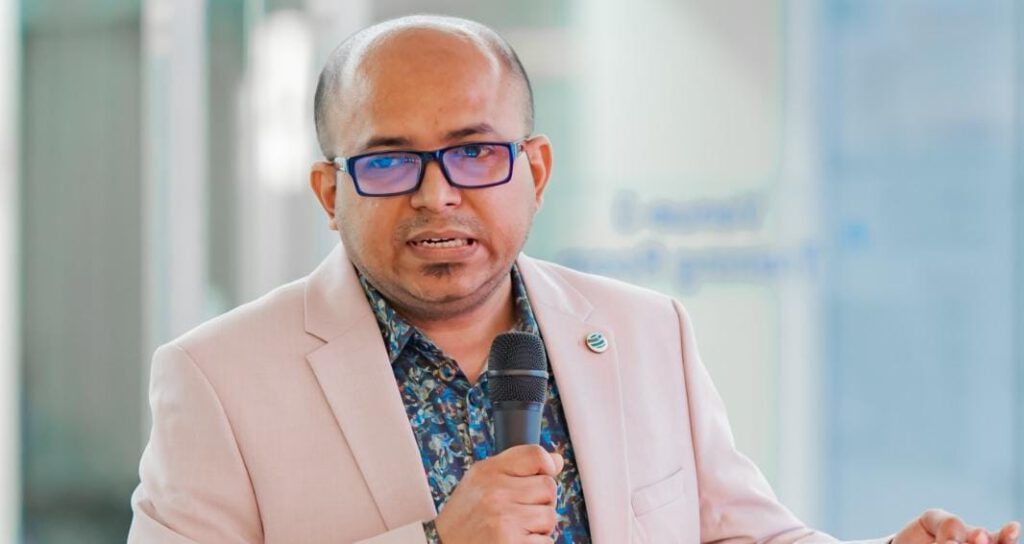
Cox’s Bazar Community Alliance (CCAD) member Shah Newaz Chowdhury said that despite being an international tourist destination, Cox’s Bazar does not have a single proper money exchange house.
“Go anywhere in the world, in any tourist destination, you will see exchange houses on every road. But I have not seen any in Cox’s Bazar. If foreign investors come, how will they exchange dollars?” he said.
He added that in reality such services are being informally provided beside hotels, in small shops or even at bus counters. Without proper government oversight, structural improvements are impossible, he said. “There is no policy here, yet everything is happening in an unplanned way. By the time policies are formulated, everything may already be ruined,” he added.
—–
Absence of Rule of Law, Crisis of Integrity the Core Problem
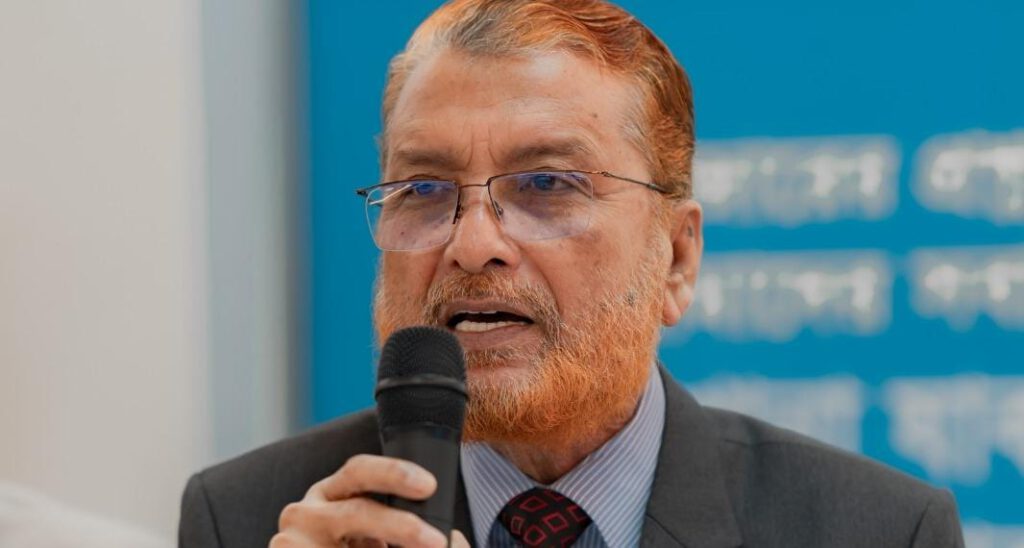
Senior lawyer Mohammad Jahangir said the core obstacle to solving Cox’s Bazar’s problems is the absence of the rule of law and integrity. “Those who speak loudly into microphones and make laws do not follow the law themselves,” he said, pointing to social double standards such as anti-smoking events attended by smokers and anti-drug programmes led by people reeking of alcohol. “When leaders speak against corruption but practice it themselves, why would ordinary people follow the rules?” he asked.
He also questioned the lack of female representation, saying commitments such as ensuring five percent women candidates are not being honoured. Addressing political aspirants, he said they must publicly pledge that they may lose elections, but will not allow democracy or the rule of law to lose, otherwise free and fair elections will remain impossible.
——-
Mega Projects Taken Over by Outsiders, Local Entrepreneurs Left Deprived
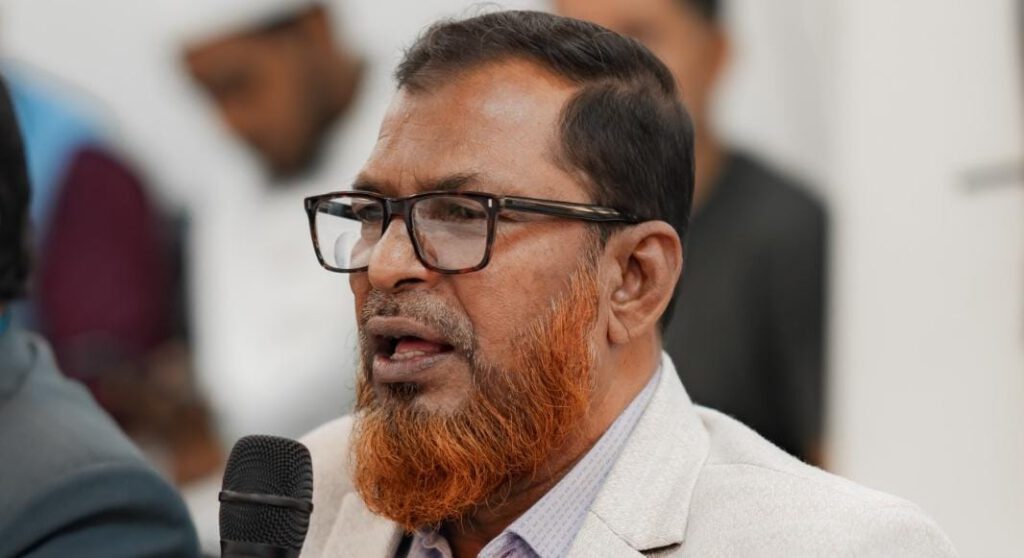
Cox’s Bazar District Bar Association President Syed Alam said that if things continue as they are, even another 20 to 40 years will not bring real development in Cox’s Bazar. He recalled proposing in 2004 that the tourism sector be handed over to local entrepreneurs, a suggestion that was ignored. “Now we see large mega projects being taken over by outsiders. Corruption has occurred, driven by the percentage interests of powerful groups,” he said.
On the Rohingya issue, he warned against what he described as international conspiracies, saying that granting Bangladeshi passports would strengthen Myanmar’s claims.
——–
No Solution to the Rohingya Crisis Without a Stake in Rakhine
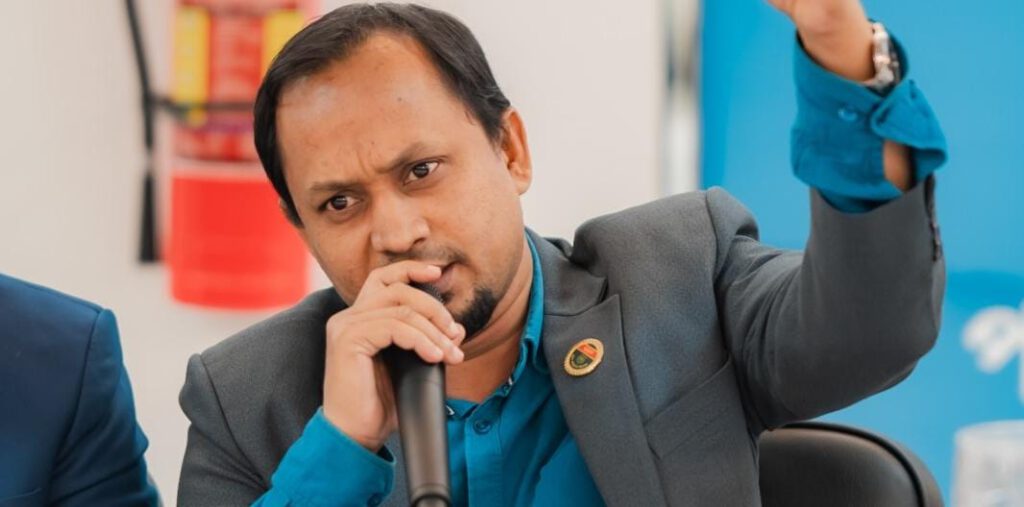
NCP Cox’s Bazar General Secretary Omar Faruk said the opportunity to use a humanitarian corridor to resolve the Rohingya crisis was missed. “The problem is in Rakhine. To solve it, Bangladesh must have a stake there,” he said, noting that China and India have expanded their influence in Rakhine since 2017. Without pragmatic diplomacy, reopening the Teknaf land port will not be possible, he added.
——-
Development Impossible Without Honest Leadership
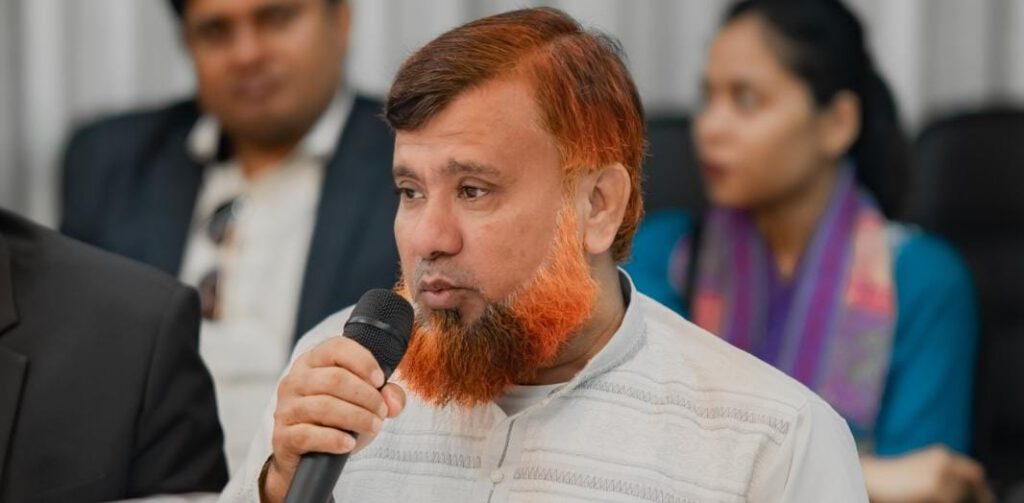
Jamaat-e-Islami Cox’s Bazar district General Secretary Jahedul Islam said the country has lacked accountable governance for decades. “Those who have ruled over the past 54 years have siphoned off thousands of crores of taka abroad and looted banks. That is why honest leadership is essential,” he said.
——-
Cox’s Bazar’s Potential Lies in the Salt Industry
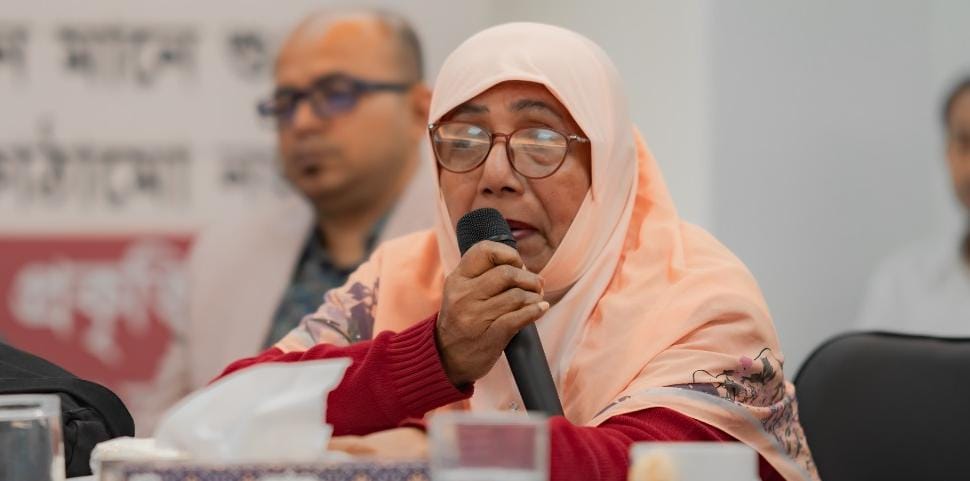
Cox’s Bazar Women Chamber of Commerce and Industry President Jahanara Islam said that still asking what kind of Cox’s Bazar people want reflects collective failure. She said salt is the district’s biggest industry, yet no industrial transformation has taken place. “The key to our fortune is in our own hands,” she said, urging development of local resources instead of waiting for foreign investment.
—-
Development in Maheshkhali, Yet Locals Left Deprived
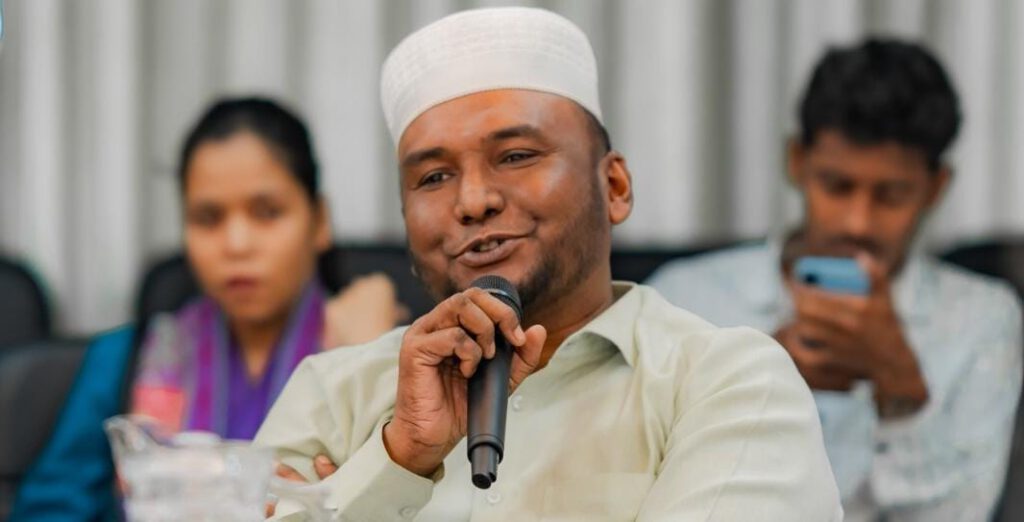
Environmental activist M Alam said residents of Maheshkhali have given up land for national development projects but have received little benefit in return. He also raised concerns over the lack of transparency in the Matarbari Development Authority.
——
Corruption Is the Biggest Obstacle
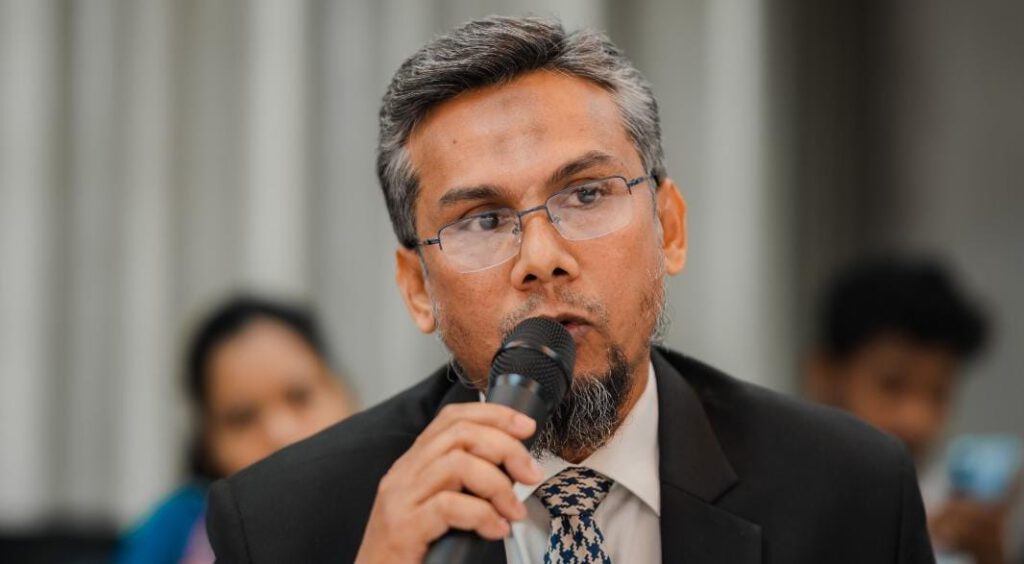
Red Crescent President Riaz Mohammad Shakil said corruption remains the biggest barrier to progress. “We talk a lot, but we vote for corrupt people. Corruption is the main obstacle to development,” he said.
—-
Call for Planning Beyond Party Lines
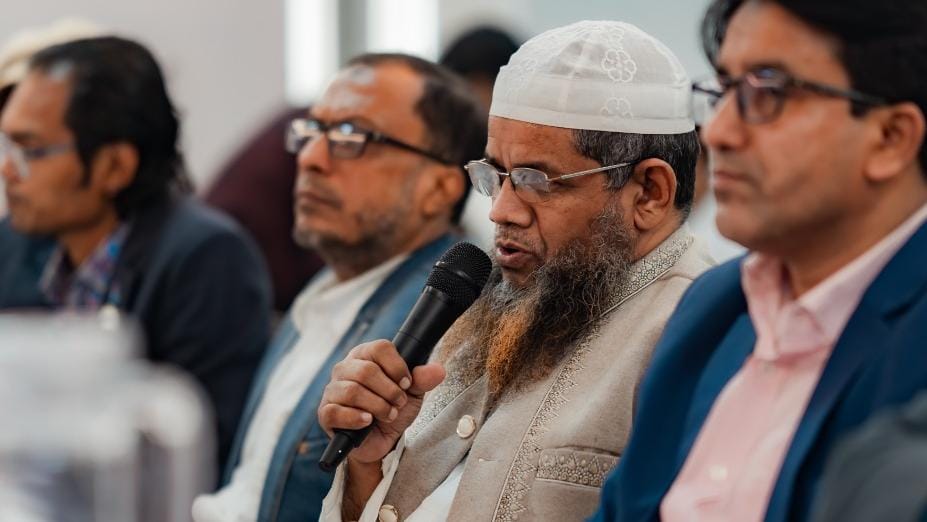
Islami Andolon Cox’s Bazar President Muhaddis Amirul Islam Mir said everyone wants a beautiful Cox’s Bazar, but management has failed. “We must work beyond party lines,” he said.
——
Hospital Mismanagement and Black Money in Elections
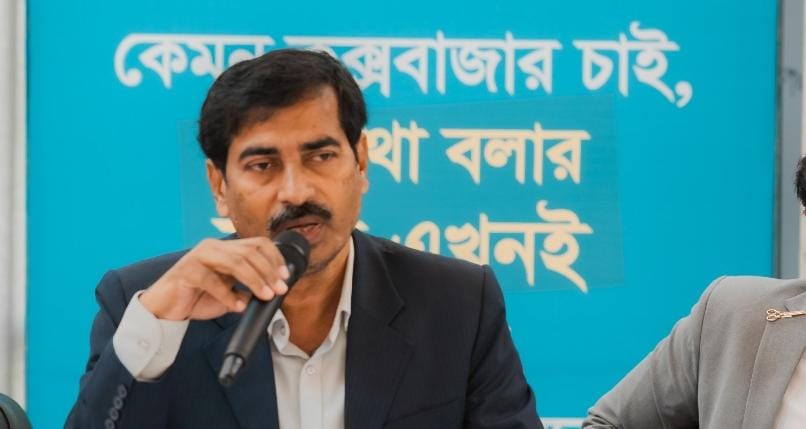
Politician and cultural organiser Ashraful Huda Siddiqui Jamshed highlighted mismanagement in public hospitals, saying patients are often forced to lie on floors despite the possibility of improving facilities. He also questioned the role of black money in elections. “If it costs Tk 100 million to contest an election, how can someone remain honest after coming to power?” he asked.
——
Demand to Expand Land Port and Highway to Four Lanes
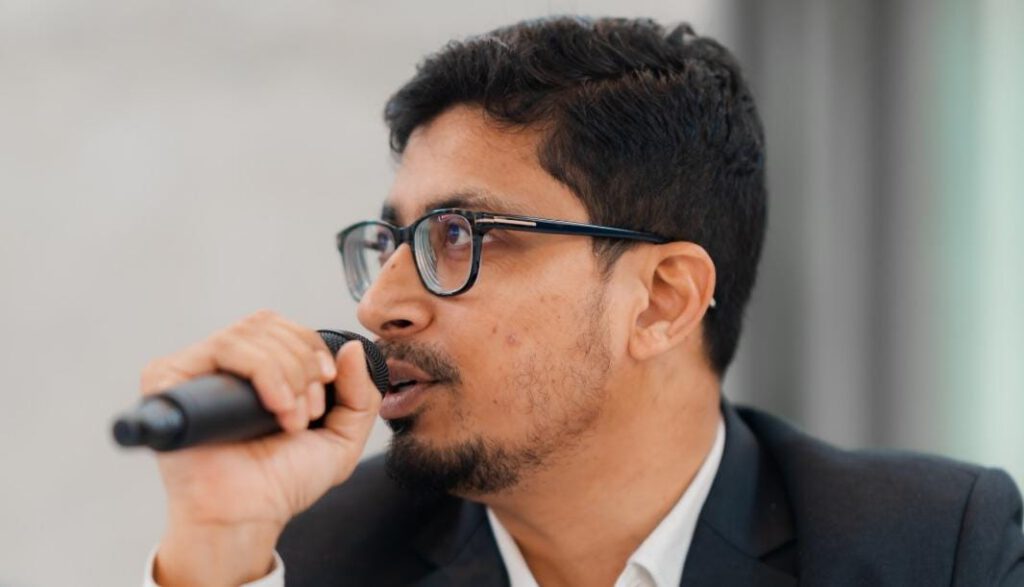
Cox’s Bazar Chamber of Commerce and Industry Vice President Sheikh Ashiquzzaman said Bangladeshi traders have around $9 million stuck in Myanmar banks. He demanded the immediate reopening of the Teknaf land port and upgrading the Chattogram–Cox’s Bazar highway to four lanes. “Deaths happen on this road every day. This is a demand for our lives,” he said.
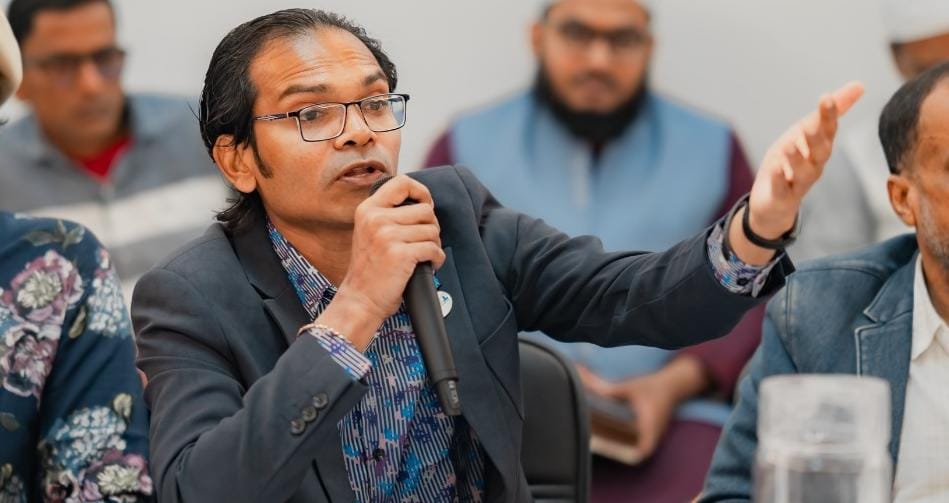
Mizanur Rahman Milky, Tourism Entrepreneur
“Young entrepreneurs have invested in St. Martin’s, but they are unable to recover their investments. Currently, 90 percent of land in St. Martin’s and most of the Kolatoli zone in Cox’s Bazar is owned by people from outside the region.
Therefore, the government should implement land management policies—there should be limits on how much land outsiders can buy, similar to what we see in hill areas. Otherwise, there will come a time when Cox’s Bazar will no longer belong to its own people.
Also, tourists visiting Cox’s Bazar will not buy Chinese goods; they will purchase products made by local people. It is essential to create such initiatives.”
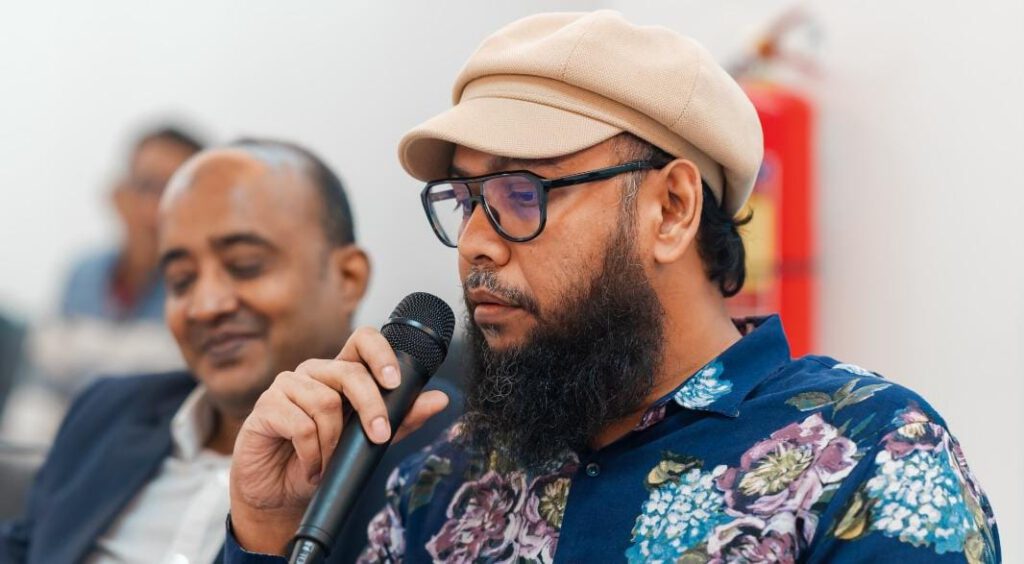
Hedayet Aziz Mithu, Organizer, Cox’s Bazar Community Alliance (CCAD)
“Salt production is one of the main sources of income for the people of Cox’s Bazar. But who is managing this sector? Currently, the price of salt has dropped to half of the minimum production cost, and yet approvals are being given for imported salt.
What is BSCIC doing? The salt industry should be removed from BSCIC’s control. BSCIC is not patronizing this sector in any meaningful way. The current stock of salt is enough to last for the next two years.
If this situation continues, no one will go to the salt fields in the future. Who is stopping people from producing salt with such effort?”
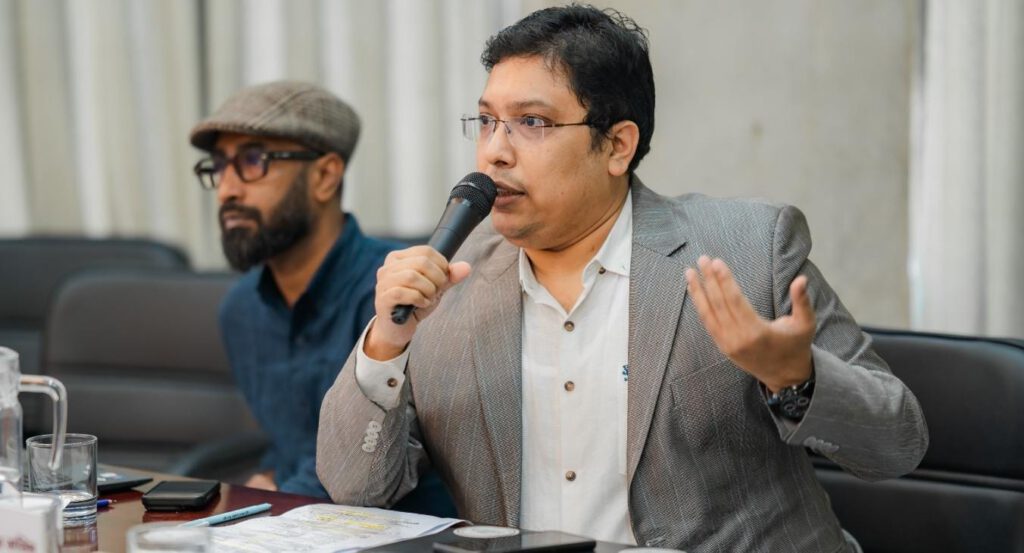
Mohibbul Moqtadir Tanim, Chief Coordinator, Cox’s Bazar Community Alliance (CCAD)
“Although Cox’s Bazar plays a significant role in international geopolitics and the economy, local communities’ participation in development processes is far from satisfactory.
With this responsibility in mind, CCAD has been organizing continuous dialogues in Dhaka over the past two years, involving representatives from both the government and civil society. Ahead of the parliamentary elections, these inclusive dialogues were held to provide practical guidance to elected representatives.
He added that without coordinating development projects with environmental conservation, Cox’s Bazar will face serious risks in the future.”
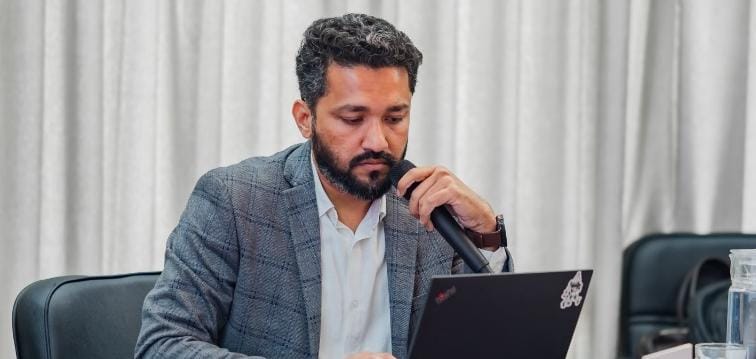
Monowar Kamal Zisan, President, JCI Cox’s Bazar
“Large projects are underway in Cox’s Bazar. But the key question is—who are these developments for? The real issue is how much they ensure local people’s employment, quality of life, and safety.”